Solar energy can power a home in more than one way. Two of the most common approaches are active solar and passive solar. While both harness the sun’s energy, they work very differently and serve different purposes.
Understanding the difference helps homeowners in Illinois and the St. Louis area make smarter decisions about energy efficiency, system design, and long-term performance.
What Is Passive Solar Energy?
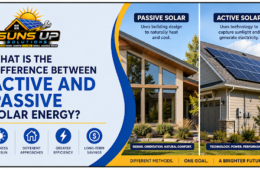
Passive solar energy uses building design and materials to collect, store, and distribute heat from the sun—without mechanical equipment.
Examples include:
- Large south-facing windows that let in winter sunlight
- Thermal mass (concrete floors, brick walls, or tile) that absorbs and slowly releases heat
- Overhangs or shades that block high summer sun while allowing lower winter sun
- Strategic landscaping and window placement for natural heating and cooling
Passive solar relies on architecture and orientation rather than technology. It can reduce heating and cooling needs but does not generate electricity.
What Is Active Solar Energy?
Active solar energy uses mechanical or electrical equipment to capture and convert sunlight.
The most common example is a rooftop photovoltaic (PV) system—solar panels that generate electricity. Other active systems include solar thermal collectors that heat water or air with pumps and controls.
Active systems require
- Solar panels or collectors
- Inverters, controllers, or pumps
- Wiring and monitoring equipment
This is the type of solar most homeowners mean when they talk about installing panels to lower electricity bills.
Which Approach Is Right for Your Home?
Many modern homes use a combination of both. Passive design features can lower overall energy demand, while an active solar panel system supplies clean electricity.
For most Illinois and St. Louis-area homeowners looking to cut utility costs and gain energy independence, active solar (rooftop panels) delivers the clearest financial return. Passive strategies work best when built into new construction or major renovations.
Keeping Active Solar Systems Performing
Because active solar systems rely on equipment, ongoing care matters. Dirt, debris, wiring problems, or component wear can reduce output over time. Homeowners who notice production drops often benefit from a professional evaluation by local solar panel repair companies or a trusted solar panel repair service near me.
Issues such as solar panel wiring issues or system faults are best addressed quickly. In some cases, a solar system repair technician can restore performance before small problems become larger expenses. Certain situations may also involve a solar detach and reset process during roof work or major repairs.
Conclusion
Passive solar uses smart design to capture the sun’s heat naturally. Active solar uses technology—most often photovoltaic panels—to generate electricity. Both have value, but active solar systems are the primary way most homeowners reduce electricity bills and increase energy independence.
At Suns Up Solutions, we help Illinois and St. Louis-area homeowners design, install, and maintain active solar systems that deliver reliable long-term results. Whether you’re exploring a new system or need support with an existing one, understanding the difference between active and passive solar is a strong starting point.
If you’d like to learn which approach fits your home best, reach out. We’re here to help you make the most of the sun’s energy.