The equipment under and around the solar panels can experience unforeseen issues from birds, squirrels, rodents, and other wildlife, although the solar panels are designed for many years of reliable, renewable energy. Animals can construct nests, chew on electrical wiring or open holes where water and debris can seep in where vulnerable portions of the roof are. A good critter guard on solar panels can help you to preserve your solar investment without compromising the performance and safety of your solar system.
What’s a Solar Panels Critter Guard?
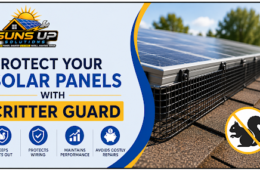
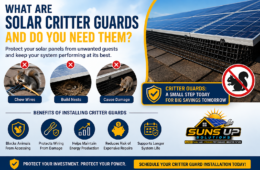
A critter guard for solar panels is a protective layer put around the perimeter of a solar panel array. The barrier prevents the gap between the panels and the roof from opening up, while allowing enough air to flow through under the panels. This will make it more difficult for animals to get under the solar modules where they could seek refuge from the weather and predators.
As the solar panels are installed, they provide a covered area which could be a magnet for birds, squirrels, mice, and other small animals. After wildlife has nested under the panels, the extraction and/or repair may be more difficult. Installing a barrier is a practical solution to minimizing access prior to these issues arising.
Why is it needed for solar panels to have a critter barrier?
During a solar installation, there is a possibility of wildlife causing a number of issues. Nests can be constructed under panels by birds and squirrels and rodents can gnaw through the insulation of electrical lines. The leaves, nesting materials or debris below the system can also cause problems with drainage or ventilation.
Sometimes an animal can damage the wiring, or provide conditions that increase the likelihood of electrical issues. Roof issues might also be brought about by wildlife if debris blocks off roof drainage routes or if animal activity breaks or upsets roofing substances.
When installed correctly, a critter barrier helps to provide a physical separation of the elements below the solar array and the wildlife. It is a preventative measure to lessen the chance of costly repairs and for homeowners to keep the installation cleaner and more protected.
How to install Critter Guard?
The typical process of professional critters guard installation starts by examining the solar array and the roof space at which it will be mounted. The installer checks for animal access points, nests, damaged electrical wiring, debris and other conditions that might impact installation.
The solar panels are then surrounded by the protective mesh. Secure properly so that animals are not able to push through or to open new openings. Installation should be done carefully as there are no requirements for damage to solar panels, mounting equipment, roofing materials or electrical components during installation.
Any existing wildlife, too, should be taken care of properly before installing a barrier. If an opening is closed without removing the nest or animal below the panels it can cause further issues. System protection is aided by professional assessment to ensure that wildlife is not trapped within the system.
What are some problems that critters might cause under solar panels?
Conditions under solar panels can cause minor debris problems to major electrical damage to the animals. Wire insulation can be chewed through by rodents and squirrels, which can lead to damage. Birds will deposit nesting materials and droppings, leaves and other debris will accumulate around the sides of the panel.
Another potential problem when debris blocks proper drainage is moisture. Also, re-occurring wildlife activity may cause a disruption of components or condition a need for inspection and maintenance.
If you are a homeowner who has already seen animals scurrying around the solar panels, it is important to deal with it early because this can be a relatively simple wildlife issue that could turn into a costly solar repair.
Does Critter Guard damage Solar Panels?
A properly installed and selected critter guard should allow the solar array to function normally yet protect it from critters. The barrier should provide the appropriate ventilation and should not cover the active surface of the panels.
The mounting system and roof structure also must be considered when installing. Materials attached to roofing or equipment in an improper manner can cause problems with materials and/or equipment. That’s why it’s better to have someone professional install this barrier rather than a makeshift solution or DIY.
The qualified installer can decide on the right kind of protection for the panel layout and securely place the barrier around the access points which are vulnerable.
Consider Critter Guard Installation When?
Installing a new solar system, or retrofitting to an existing solar system, can include consideration for critter protection. It can be beneficial when homeowners see birds, squirrels, rodents, nests, droppings or debris under the panels.
Plants and trees, open field, or any other areas that support wildlife can also lead to increased animal activity near homes. But solar panels can be used in all sorts of home settings and the requirement for protection varies by site so it should be assessed by a site visit.
Critter Guard Illinois: Stopping critters from damaging solar systems
Professional protection of solar arrays in Illinois is one option for homeowners seeking to get Critter Guard Illinois services. Birds, squirrels, mice and other animals can cause wildlife activity on Illinois properties and hence prevention is an important aspect of solar system maintenance.
A correctly sized barrier will help to prevent wiring damage, minimize nesting under panels and prevent animal debris buildup. When installed locally, the installer may be able to assess the roof and its configuration, as well as any wildlife access points, prior to recommending an installation solution.
For professional solar protection and critter guard services, contact Suns Up Solutions today to schedule an evaluation of your solar system.
Frequently Asked Questions
Why install a critter guard on solar panels?
A critter guard will keep birds, squirrels, rats and other small animals out of the area beneath the solar panels. It forms an envelope around the panel around the perimeter of the panel, but still allows normal air flow under the system.
Do squirrels destroy solar panels?
Squirrels typically do not break the glass covering of solar panels but can cause issues if they can gain access under the solar panel and chew on electrical wiring or other materials. The installation of an appropriate barrier can decrease this access.
What is the length of time for installation of critter guard?
Installation time will vary depending on the size and configuration of the solar array, roof access and condition of the existing system. A professional inspection will help to give you a more exact estimate for a specific property.
Do critter guards have an impact on solar panel performance?
A properly installed critter guard should not cover an active solar surface or be used in an unnecessary way to limit airflow. Professional installation guarantees that the barrier is set properly, without hindering the normal functioning of the panels.
Do current nests need to be taken away prior to installation?
Yes. It is important to evaluate current nests and wildlife activity prior to closing openings. Animals need to be handled correctly, so that they are not trapped under the solar panels when it is installed.
Conclusion
Maintaining the actual solar panels is not all about protecting your investment. This means preventing further damage by wiring, nesting, debris accumulation and other maintenance issues by keeping wildlife out of the space below the array. Homeowners can get the best of both worlds with professional critter guard installation, having an effective barrier in place while still being able to have their solar system easily accessed for proper maintenance. Suns Up Solutions is an excellent service for homeowners who want to implement a solar array and/or solar protection solution that they can rely on. Call us and help them to do their solar array evaluation and come up with a viable wildlife protection solution.